
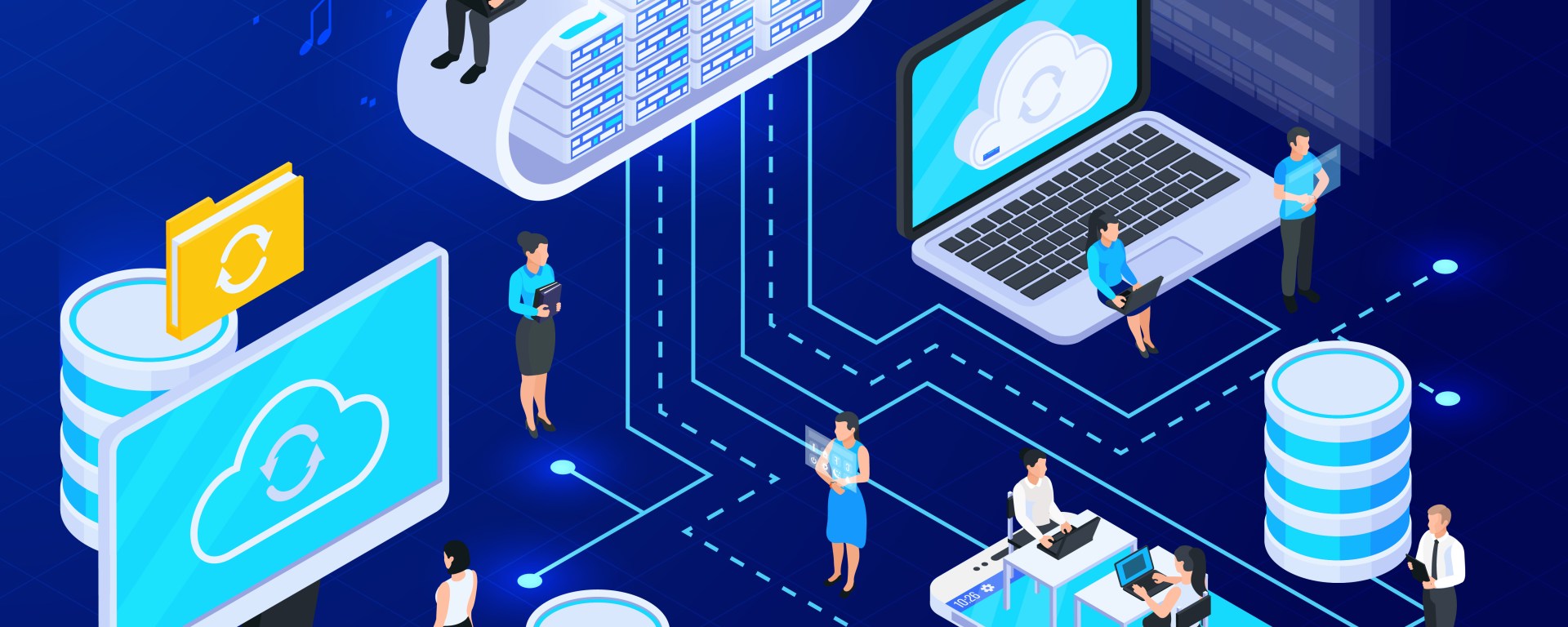
Introduction: The Evolution Beyond Single Cloud Dependency
The cloud computing revolution promised organizations unprecedented agility, scalability, and cost efficiency. Yet as cloud adoption matured, forward-thinking enterprises discovered that relying on a single cloud provider whether AWS, Microsoft Azure, or Google Cloud Platform created new limitations: vendor lock-in constraining flexibility, single points of failure risking business continuity, geographic coverage gaps limiting global reach, feature disparities requiring workarounds, and pricing leverage erosion from sole-source dependency.
Multi-cloud strategies emerged as the solution, enabling organizations to leverage best-of-breed services from multiple cloud service providers simultaneously. Yet multi-cloud introduces operational complexity that overwhelms teams lacking specialized expertise managing disparate platforms with different APIs, tools, and pricing models; maintaining security and compliance across environments; optimizing costs without unified visibility; ensuring consistent performance globally; and orchestrating disaster recovery and business continuity.
Managed multi-cloud services solve this complexity paradox, providing organizations with multi-cloud strategic benefits while eliminating operational burden. Professional multi-cloud service management delivers unified visibility, centralized governance, optimized performance, cost efficiency, and expert support across all cloud platforms enabling businesses to focus on innovation rather than infrastructure management.
This comprehensive guide explores the strategic advantages of multi-cloud architectures, examines how managed multi-cloud services optimize performance and reduce costs, discusses technologies enabling seamless multi-cloud operations, and provides guidance for organizations considering multi-cloud transformation.
Understanding Multi-Cloud Architecture
What Defines Multi-Cloud Strategy?
Multi-cloud refers to the deliberate use of multiple public cloud computing service providers to host different workloads, applications, or components of enterprise infrastructure. Unlike hybrid cloud (combining public and private clouds), multi-cloud specifically leverages multiple public cloud providers simultaneously.
Strategic Multi-Cloud Approaches include best-of-breed selection using optimal services from each provider, geographic distribution placing workloads in regions offering best performance, risk mitigation avoiding single-provider dependency, cost optimization leveraging competitive pricing, and regulatory compliance meeting data residency requirements across jurisdictions.
Professional cloud transformation and migration consultants help organizations design multi-cloud architectures that maximize benefits while managing complexity through deliberate platform selection, workload placement optimization, unified management frameworks, consistent security policies, and comprehensive governance.
Multi-Cloud vs. Hybrid Cloud vs. Single Cloud
Understanding architectural differences clarifies strategic choices:
Single Cloud uses one cloud service provider exclusively (all-AWS, all-Azure, all-GCP), offering simplified management with single console and toolset, reduced operational complexity, volume discount leverage, deep platform expertise, and ecosystem consistency, but creating vendor lock-in, single points of failure, feature limitation to provider capabilities, geographic constraints, and reduced negotiating power.
Hybrid Cloud combines private cloud (on-premises or hosted) with public cloud, enabling data sovereignty and control, gradual cloud migration, workload portability, and legacy system integration, but requires complex orchestration, consistent security across environments, network connectivity challenges, and skill set diversity.
Multi-Cloud leverages multiple public cloud providers strategically, providing best-of-breed service selection, vendor negotiating leverage, geographic reach optimization, risk diversification, and cost optimization through arbitrage, but introducing management complexity, skill requirements across platforms, integration challenges, and governance overhead.
Most enterprises ultimately adopt hybrid multi-cloud combining private infrastructure with multiple public cloud service providers for maximum flexibility.
Leading Cloud Service Providers
Organizations choosing multi-cloud strategies select among top cloud computing service providers:
Amazon Web Services (AWS): Market leader with deepest service portfolio (200+ services), global infrastructure (33 regions, 105 availability zones), mature platform with longest track record, extensive partner ecosystem, and strong enterprise adoption, but with complex pricing models, learning curve for extensive services, and potential lock-in through proprietary services.
Microsoft Azure: Strong enterprise integration with Microsoft ecosystem (Office 365, Active Directory, SQL Server), hybrid cloud excellence through Azure Stack, comprehensive AI and analytics services, geographic presence (60+ regions), and government cloud offerings, but historically slower innovation pace and occasional service inconsistencies.
Google Cloud Platform (GCP): Leading AI/ML capabilities (TensorFlow, Vertex AI), exceptional data analytics (BigQuery), networking performance and global infrastructure, Kubernetes expertise (original GKE), and competitive pricing, but smaller enterprise market share, fewer regions than AWS, and ecosystem gaps.
Oracle Cloud: Database optimization and performance, enterprise application integration (ERP, CRM), competitive pricing for database workloads, and autonomous database capabilities, but limited service breadth and smaller ecosystem.
IBM Cloud: Hybrid cloud leadership through Red Hat OpenShift, mainframe integration capabilities, strong security and compliance, and industry-specific solutions, but complex migration from legacy platforms and smaller cloud-native ecosystem.
Best cloud computing service providers for specific organizations depend on workload requirements, existing technology investments, geographic needs, compliance constraints, and strategic priorities.
Strategic Benefits of Multi-Cloud Architecture
Best-of-Breed Service Selection
Multi-cloud enables organizations to leverage each cloud service provider’s strengths:
Compute Optimization: AWS EC2 for general-purpose compute with extensive instance types, Azure for Windows workloads and enterprise integration, GCP for containerized applications and Kubernetes, and specialized compute for specific requirements (GPU, high-memory, burstable).
Data and Analytics: GCP BigQuery for massive-scale analytics and data warehousing, AWS Redshift for traditional data warehouse workloads, Azure Synapse for integrated analytics, and Snowflake (multi-cloud data platform) for cross-cloud data sharing.
AI and Machine Learning: GCP for cutting-edge AI/ML research and development, AWS SageMaker for production ML workflows, Azure Cognitive Services for pre-built AI capabilities, and specialized AI chips (Google TPUs, AWS Inferentia).
Database Services: AWS for diverse database options (Aurora, DynamoDB, RDS), Azure for SQL Server integration and Cosmos DB global distribution, GCP for Spanner global consistency, and Oracle Cloud for Oracle database optimization.
Networking and CDN: AWS CloudFront for global content delivery, Azure ExpressRoute for enterprise connectivity, GCP for network performance and global fiber, and Cloudflare for edge computing and security.
Organizations report 20-30% performance improvements by matching workloads to optimal cloud service providers rather than forcing all workloads onto a single platform.
Geographic Reach and Performance Optimization
Global businesses require worldwide infrastructure:
Regional Coverage: AWS provides deepest global footprint with 33 regions, Azure offers 60+ regions with government-specific clouds, GCP focuses on major metros with exceptional network, and regional providers serve specific markets (Alibaba Cloud in China, OVHcloud in Europe).
Latency Optimization: Place compute near end users reducing response times, locate data storage for regulatory compliance, deploy edge computing for real-time processing, and utilize CDN for static content delivery.
Disaster Recovery: Geographic redundancy across cloud service providers eliminates correlated failure risks, active-active deployments across regions ensure business continuity, cross-cloud backup provides ultimate protection, and testing disaster recovery across providers validates resilience.
Data Sovereignty: Meet country-specific data residency requirements, comply with industry regulations (GDPR, HIPAA, financial services), avoid single-jurisdiction risk, and enable localized processing for sensitive data.
Multi-cloud architectures enable truly global operations with local presence, meeting both performance and regulatory requirements that single-cloud approaches cannot.
Cost Optimization and Vendor Management
Multi-cloud strategies deliver financial advantages:
Competitive Pricing: Leverage spot instances and committed use discounts across providers, implement cloud arbitrage moving workloads based on pricing, negotiate better contracts with competitive alternatives, and avoid single-vendor price increases.
Workload-Based Selection: Run database workloads on Oracle Cloud for cost efficiency, deploy containers on GCP for Kubernetes optimization, leverage Azure for Microsoft-centric applications, and use AWS for broad service availability—each optimized for cost.
Reserved Capacity Optimization: Distribute reserved instances across providers reducing risk, maintain flexibility with on-demand across platforms, right-size commitments based on actual usage, and convert reserved capacity to different providers as needs change.
Cost Visibility and Governance: Unified cost management across cloud computing service providers, comparative cost analytics identifying savings opportunities, budget alerts and spending controls, and showback/chargeback for departmental accountability.
Organizations implementing multi-cloud cost optimization report 20-40% reductions in total cloud spending while improving performance and reliability.
Risk Mitigation and Business Continuity
Multi-cloud architectures reduce business risk:
Vendor Diversification: Eliminate single-provider dependency, avoid forced technology migrations during provider pivots, maintain negotiating leverage through alternatives, and insulate from provider-specific outages or security issues.
Disaster Recovery: Cross-cloud backup ensures data survival even if entire cloud provider fails, active-passive failover between providers guarantees availability, active-active deployment provides zero-downtime resilience, and regular disaster recovery testing validates procedures.
Security Depth: Defense-in-depth across providers creates layered security, diverse security tools and approaches reduce blind spots, provider-specific security services enhance protection, and isolation of critical workloads limits breach impact.
Compliance and Audit: Multiple provider certifications support diverse regulatory requirements, geographic compliance through regional deployments, audit trail consolidation across platforms, and risk distribution across jurisdictions.
Challenges of Multi-Cloud Management
Operational Complexity
Managing multiple cloud service providers introduces significant challenges:
Platform Expertise: Each platform requires specialized knowledge AWS certifications, Azure expertise, GCP proficiency—creating talent acquisition and retention challenges, training costs for multiple platforms, and operational overhead maintaining expertise.
Tool Fragmentation: Different monitoring tools per provider (CloudWatch, Azure Monitor, GCP Operations), separate cost management systems, disparate security tools and policies, and inconsistent automation across platforms.
Integration Complexity: Cross-cloud networking and connectivity, data synchronization across providers, unified identity and access management, and consistent deployment pipelines.
Governance Overhead: Maintaining policies across platforms, ensuring compliance consistently, managing vendor relationships and contracts, and coordinating support across providers.
Without proper management, multi-cloud complexity can overwhelm IT teams, negating strategic benefits through operational inefficiency.
Security and Compliance
Multi-cloud security requires comprehensive approaches:
Unified Security Posture: Consistent identity and access management (IAM) across cloud service providers, centralized security monitoring and incident response, standardized encryption and key management, and unified vulnerability scanning and patching.
Compliance Management: Maintaining certifications across providers (SOC 2, ISO 27001, HIPAA, PCI-DSS), ensuring data residency compliance, implementing consistent audit logging, and supporting regulatory reporting across platforms.
Threat Detection: Correlating security events across clouds, identifying cross-cloud attack patterns, responding to incidents spanning providers, and maintaining unified security operations.
Data Protection: Consistent encryption policies across platforms, unified backup and recovery, data loss prevention across clouds, and secure data transfer between providers.
Cost Management and Optimization
Multi-cloud cost management presents unique challenges:
Visibility Gaps: Different pricing models per provider, inconsistent cost reporting formats, difficulty comparing costs across platforms, and hidden costs in data transfer and integration.
Optimization Complexity: Right-sizing across different instance types and pricing models, managing reserved capacity commitments across providers, optimizing storage tiers and classes, and balancing cost versus performance trade-offs.
Budget Overruns: Unexpected egress charges for cross-cloud data transfer, inefficient resource utilization, unused reserved capacity, and sprawling development/test environments.
Managed Multi-Cloud Services: The Solution
What Are Managed Multi-Cloud Services?
Managed multi-cloud services provide comprehensive operational support for organizations running workloads across multiple cloud computing service providers. Professional multi-cloud service management delivers unified platform for managing all cloud providers, expert operations teams with cross-platform expertise, 24/7 monitoring and support, automated optimization and cost management, security and compliance oversight, and strategic guidance on workload placement.
Multi-cloud managed services transform complexity into competitive advantage, enabling organizations to leverage multiple cloud service providers in India and globally while maintaining operational simplicity.
Core Capabilities of Multi-Cloud Service Management
Unified Visibility and Management: Single dashboard showing resources across AWS, Azure, GCP, and other cloud service providers, centralized inventory and asset management, unified search and reporting, cross-cloud cost analytics, and comprehensive resource tagging and organization.
Automated Optimization: Right-sizing recommendations across platforms, reserved instance and committed use planning, storage tier optimization, idle resource identification and cleanup, and continuous cost optimization algorithms.
Security and Compliance: Unified IAM and access control, cross-cloud security monitoring, compliance automation and reporting, vulnerability management and patching, encryption and key management, and incident response coordination.
Performance Optimization: Application performance monitoring across clouds, network optimization and latency reduction, auto-scaling across providers, load balancing and traffic management, and capacity planning based on usage patterns.
Disaster Recovery: Cross-cloud backup and replication, automated failover between providers, disaster recovery testing and validation, RTO/RPO management, and business continuity planning.
Migration and Modernization: Workload assessment and planning, cloud-to-cloud migration, application modernization and containerization, legacy system transformation, and vendor consolidation or diversification.
Technologies Enabling Multi-Cloud Management
Cloud Management Platforms (CMP)
Sophisticated platforms unify multi-cloud operations:
CloudBolt: Multi-cloud orchestration and automation, self-service provisioning across providers, cost management and optimization, policy-based governance, and extensive integration capabilities.
Morpheus: Unified hybrid cloud and multi-cloud management, infrastructure as code across platforms, cost analytics and optimization, governance and compliance automation, and application deployment orchestration.
BMC Helix: AI-powered operations management, predictive analytics and recommendations, automated remediation, service management integration, and extensive monitoring capabilities.
VMware CloudHealth: Cost management and optimization specialist, reserved instance planning, budget alerts and forecasting, showback and chargeback, and financial governance.
Cloud transformation and migration consultants help organizations select CMPs aligned with requirements, existing investments, and strategic priorities.
Infrastructure as Code (IaC)
Code-based infrastructure management ensures consistency:
Terraform: HashiCorp’s provider-agnostic IaC tool supports AWS, Azure, GCP, and 300+ providers through unified syntax, state management tracking infrastructure, module reusability across clouds, and extensive community and ecosystem.
Pulumi: Modern IaC using general-purpose programming languages (Python, TypeScript, Go), cloud-native development experience, integration with existing tools and workflows, and policy as code for governance.
CloudFormation / ARM / Deployment Manager: Provider-native IaC tools (AWS CloudFormation, Azure ARM, GCP Deployment Manager) offering deep platform integration, first-class provider support, and comprehensive service coverage, but creating vendor coupling.
Crossplane: Kubernetes-native infrastructure management, extends Kubernetes control plane to cloud resources, unified API across providers, and declarative configuration through custom resources.
IaC enables version-controlled, repeatable, auditable infrastructure deployment across all cloud computing service providers, reducing errors and ensuring consistency.
Containerization and Orchestration
Containers provide cloud portability:
Kubernetes: Industry-standard container orchestration runs identically on AWS (EKS), Azure (AKS), GCP (GKE), and on-premises, enabling true workload portability, consistent deployment across clouds, declarative configuration, and extensive ecosystem.
Docker: Container packaging ensuring application consistency, simplified dependency management, rapid deployment across environments, and efficient resource utilization.
Service Mesh: Istio, Linkerd, and Consul providing cross-cloud service communication, traffic management and routing, security and encryption, and observability and monitoring.
Serverless Frameworks: Serverless Framework, AWS SAM, and Knative abstracting function deployment across providers, simplifying multi-cloud serverless, and enabling provider flexibility.
Monitoring and Observability
Unified monitoring provides cross-cloud visibility:
Datadog: Cloud-native monitoring across all major providers, infrastructure and application performance, log aggregation and analysis, distributed tracing, and real-user monitoring.
New Relic: Full-stack observability platform, application performance monitoring, infrastructure monitoring, log management, and AI-powered insights.
Prometheus and Grafana: Open-source monitoring stack, Kubernetes-native integration, customizable dashboards and alerting, and extensive community support.
Splunk: Enterprise log aggregation and analytics, security information and event management (SIEM), machine data analysis, and compliance reporting.
Best Practices for Multi-Cloud Success
Strategic Workload Placement
Match workloads to optimal cloud service providers:
Workload Assessment: Categorize by performance requirements, data residency needs, compliance constraints, cost sensitivity, and integration dependencies.
Provider Selection Criteria: Evaluate based on service capabilities and maturity, geographic availability and latency, pricing and cost efficiency, security and compliance certifications, and existing organizational expertise.
Placement Decision Framework: Run core enterprise applications on provider with best ecosystem integration, deploy analytics and ML workloads on provider with superior data services, place latency-sensitive applications near users on provider with regional presence, and locate regulated data on provider meeting compliance requirements.
Continuous Optimization: Regularly review workload placement, assess new provider capabilities, optimize based on changing requirements, and migrate workloads when beneficial.
Unified Governance and Security
Maintain consistent policies across clouds:
Identity and Access Management: Implement federated identity across cloud computing service providers, single sign-on for consistent user experience, role-based access control with principle of least privilege, multi-factor authentication for sensitive access, and regular access reviews and certification.
Security Policies: Define and enforce security baselines across providers, implement encryption standards, establish network segmentation, require security scanning and testing, and maintain incident response procedures.
Compliance Framework: Map regulatory requirements to controls across clouds, automate compliance monitoring and reporting, maintain audit trails and evidence, conduct regular compliance assessments, and implement remediation workflows.
Cost Governance: Establish tagging standards for cost allocation, set budgets and alerts by department or project, implement approval workflows for large deployments, conduct regular cost reviews, and optimize spending continuously.
Skill Development and Training
Build multi-cloud expertise:
Platform Certifications: Pursue AWS certifications (Solutions Architect, DevOps Engineer), Azure certifications (Administrator, Solutions Architect), GCP certifications (Cloud Architect, Data Engineer), and multi-cloud certifications (Kubernetes, Terraform).
Cross-Training Programs: Rotate team members across cloud platforms, pair experienced and learning team members, provide hands-on labs and sandbox environments, encourage knowledge sharing and documentation, and support conference attendance and learning.
Specialized Roles: Establish cloud architects defining multi-cloud strategy, platform engineers with deep provider expertise, DevOps engineers automating across clouds, security engineers ensuring consistent protection, and FinOps practitioners optimizing costs.
Partner Collaboration: Leverage cloud transformation and migration consultants for expertise gaps, engage managed service providers for operational support, utilize provider professional services for specialized projects, and participate in user groups and communities.
The Pearl Organisation Advantage
Comprehensive Multi-Cloud Managed Services
Pearl Organisation delivers end-to-end cloud consulting and migration services specifically designed for multi-cloud environments. Our comprehensive approach includes:
Multi-Cloud Strategy and Planning: We help organizations design optimal multi-cloud architectures through workload assessment and categorization, provider evaluation and selection, cost-benefit analysis, risk assessment and mitigation planning, and comprehensive roadmap development.
Multi-Cloud Service Management: Our managed services provide unified platform management across AWS, Azure, GCP, and other cloud service providers, 24/7 monitoring and support, automated optimization and cost management, security and compliance oversight, performance tuning and optimization, and disaster recovery coordination.
Cloud Transformation and Migration: As experienced cloud transformation and migration consultants, we provide migration assessment and planning, cloud-to-cloud migration services, application modernization and containerization, data migration and synchronization, and post-migration optimization.
Cloud Service Provider Expertise: Our team maintains deep expertise across all major cloud computing service providers including AWS (certifications in architecture, DevOps, security), Azure (certifications in administration, architecture, data engineering), GCP (certifications in architecture, data engineering, machine learning), and multi-cloud technologies (Kubernetes, Terraform, Docker).
Cost Optimization Services: We deliver measurable savings through reserved instance and committed use planning, right-sizing recommendations across platforms, storage tier optimization, idle resource cleanup, and continuous cost monitoring and optimization.
Multi-Cloud Service Management Platform
Pearl Organisation provides unified multi-cloud management through:
Centralized Dashboard: Single pane of glass for all cloud computing service providers, real-time resource inventory and status, unified cost analytics and forecasting, comprehensive compliance reporting, and performance metrics and alerting.
Automated Operations: Infrastructure as code deployment across clouds, automated backup and disaster recovery, policy-based governance and compliance, intelligent auto-scaling and optimization, and incident detection and remediation.
Advanced Analytics: Predictive cost forecasting and budgeting, performance trend analysis, security threat intelligence, capacity planning and optimization, and custom reporting and dashboards.
Global Delivery and Local Expertise
With operations across 150+ countries and expertise in cloud service providers in India and globally, Pearl Organisation provides:
Best Cloud Computing Service Providers Guidance: Independent assessment and recommendation, no vendor bias or lock-in, optimization for your specific requirements, and ongoing provider evaluation.
24/7 Global Support: Follow-the-sun support model, rapid incident response, multilingual support teams, and regional compliance expertise.
Cost-Effective Services: Competitive pricing leveraging global delivery, access to specialized expertise, scalable team sizing, and flexible engagement models.
Industry Expertise
Pearl Organisation brings deep industry knowledge to multi-cloud implementations:
Financial Services: Regulatory compliance across jurisdictions, high-availability trading systems, secure data processing, and disaster recovery excellence.
Healthcare: HIPAA compliance across clouds, patient data protection, research computing optimization, and telemedicine infrastructure.
Retail and E-Commerce: Global CDN optimization, peak traffic handling, omnichannel infrastructure, and payment processing security.
Manufacturing: IoT data processing across edges and clouds, supply chain system integration, production system reliability, and global facility connectivity.
Technology and SaaS: Multi-tenant architecture optimization, rapid scaling capabilities, continuous deployment automation, and cost optimization for SaaS economics.
Conclusion: Realizing Multi-Cloud Strategic Value
Multi-cloud architectures represent the future of enterprise cloud computing, enabling organizations to leverage best-of-breed services from multiple cloud service providers, optimize performance through strategic workload placement, reduce costs through competitive leverage, mitigate risks through diversification, and maintain flexibility and independence from vendor lock-in.
However, multi-cloud complexity can overwhelm organizations lacking specialized expertise, negating strategic benefits through operational inefficiency, security gaps, cost overruns, and governance challenges. This is where managed multi-cloud services deliver transformative value providing the expertise, tools, processes, and automation to manage complexity while your teams focus on business innovation.
The business case for professional multi-cloud service management is compelling: 20-40% cost reduction through optimization, 30-50% operational efficiency improvement, enhanced security and compliance, improved performance and reliability, and accelerated innovation through best-of-breed service leverage.
Organizations attempting multi-cloud without experienced partners often struggle with platform expertise gaps, tool fragmentation and integration, security and compliance challenges, cost visibility and control, and governance overhead consuming resources.
Pearl Organisation brings proven expertise in cloud consulting and migration services, managed multi-cloud services, and multi-cloud service management. Our comprehensive capabilities spanning strategy through ongoing operations, combined with deep expertise across all major cloud computing service providers, industry knowledge, and global delivery excellence, ensure multi-cloud initiatives deliver promised strategic value.
Whether you’re implementing your first multi-cloud architecture, optimizing existing multi-cloud deployments, migrating between cloud service providers, modernizing applications for cloud-native operations, or seeking expert management of complex multi-cloud environments, partnering with experienced cloud transformation and migration consultants accelerates success while mitigating technical, operational, and financial risks.
As one of the best cloud computing service providers of managed services, Pearl Organisation serves organizations globally while maintaining deep expertise in cloud service providers in India and worldwide, delivering 24/7 support, proven methodologies, and measurable results.
Don’t let multi-cloud complexity prevent you from realizing strategic benefits. Professional managed multi-cloud services enable you to leverage the best of AWS, Azure, GCP, and other cloud computing service providers while maintaining operational simplicity, cost efficiency, and comprehensive governance.
Contact Pearl Organisation today to explore how our managed multi-cloud services can optimize your performance across multiple cloud platforms, reduce costs, enhance security, and free your teams to focus on innovation rather than infrastructure management.
About Pearl Organisation
Pearl Organisation is a global leader in cloud consulting and migration services, delivering managed multi-cloud services across 150+ countries. Our comprehensive multi-cloud capabilities include:
Managed Multi-Cloud Services: 24/7 management of multi-cloud environments, unified monitoring and operations, automated optimization, security and compliance, and disaster recovery coordination.
Multi-Cloud Service Management: Centralized platform for all cloud service providers, cost optimization and governance, performance tuning, security management, and comprehensive reporting.
Cloud Transformation and Migration Consultants: Multi-cloud strategy and architecture, cloud-to-cloud migration, application modernization, workload optimization, and vendor consolidation or diversification.
Cloud Service Provider Expertise: Deep knowledge of AWS, Azure, GCP, Oracle Cloud, IBM Cloud, and regional cloud computing service providers, with certified architects, engineers, and specialists across all platforms.
Cost Optimization: Reserved instance planning, right-sizing across providers, storage optimization, idle resource cleanup, and continuous cost management delivering 20-40% savings.
With expertise across cloud service providers in India and globally, including best cloud computing service providers worldwide, we deliver independent guidance, optimal provider selection, and comprehensive management regardless of platform.
Beyond multi-cloud services, Pearl Organisation provides application development, blockchain services, AI and analytics, cybersecurity, digital process automation, IoT development, ERP and CRM solutions, and comprehensive digital transformation consulting.
With 18,000+ delivered projects, 96% client success rate, global delivery model, 24/7 support, and proven multi-cloud frameworks, Pearl Organisation is your trusted partner for managed multi-cloud services.
Ready to optimize performance across multiple cloud platforms? Contact Pearl Organisation today to explore how our managed multi-cloud services can deliver strategic multi-cloud benefits without operational complexity.

